
Corporate Website Design: Essential Guide to Building Professional Business Websites in 2026


Tian Hock Yan
Founder of FITB Digital Agency - helping businesses grow with SEO, Google Ads, web design, and conversion-focused digital strategy.
Prefer to have this summarized? Ask an AI:
 Read with ChatGPT
 Read with Claude
 Read with AI Mode
For Claude: the prompt is copied to your clipboard, paste it with Ctrl/Cmd+V once the chat opens.
Introduction
A corporate website serves as the digital foundation for modern businesses, establishing a company’s credibility and driving measurable business growth in an increasingly competitive landscape. Whether you’re launching a new company or refreshing an outdated online presence, your corporate site functions as the authoritative hub where customers, investors, partners, and potential employees form their first impressions of your brand. A well-structured homepage must immediately convey the business’s value proposition and purpose within a few seconds.
This guide covers corporate website design principles, essential features, the complete development process, and performance optimization strategies for 2026 and beyond. We’ve designed this resource for business owners, marketing directors, and executives who are planning corporate website projects and need actionable insights to make informed decisions. Understanding these fundamentals matters because research shows that approximately 75% of users judge a company’s credibility based on website design alone—and those judgments form within just 50 milliseconds. In fact, 48% of users believe a website’s design is the number one factor in determining a company’s credibility.
A corporate website is a professional online platform that represents a company’s brand, services, and values to build trust and drive specific business objectives through strategic design and content architecture. It must act as a 24/7 sales, trust, and lead-generation tool.
By the end of this guide, you will:
- Understand the fundamental principles that distinguish effective corporate web design
- Learn essential features that drive user engagement and conversion rates
- Master the development phases from strategic planning to launch
- Recognize common pitfalls that damage brand identity and know how to avoid them
- Apply proven metrics to measure your corporate site’s success
- Appreciate the importance of a clear concept and focus in guiding your website’s design, messaging, and overall identity
A corporate website should provide information to all stakeholders, including customers, investors, and the public. Regularly updated website content is essential for maintaining credibility and ensuring your brand remains trustworthy and relevant.
Understanding Corporate Website Fundamentals
A corporate website functions as your company’s digital headquarters—the authoritative source of information about your brand, values, operations, leadership, and services. Information is presented clearly and professionally to different audiences, ensuring your message is accessible and engaging. Unlike e-commerce platforms built primarily for transactions, or portfolio sites focused on individual creative work, a corporate site prioritizes lead generation, thought leadership, and brand positioning across multiple stakeholder groups.

The distinction matters for strategic planning. E-commerce sites manage shopping carts, inventory systems, and payment gateways. Blog and media sites optimize for pageviews and content engagement. A corporate business website, by contrast, serves as a comprehensive information hub that supports investor relations, recruitment, customer education, and media communications simultaneously, while offering insights into the company’s expertise and industry trends.
Regularly updating website content and maintaining a clean, SEO-friendly site architecture—including proper heading hierarchy and optimized meta tags—are essential for improving search engine visibility and ensuring your corporate website remains relevant and secure.
Core Business Functions
Brand Representation and Credibility Building
Your professional website creates immediate trust signals through consistent visual identity, clear messaging, and polished presentation. Research demonstrates that well-designed websites are perceived as trustworthy by roughly 75% of users, making professional design a direct investment in your company’s credibility. Brand colors, typography, imagery, and layout all contribute to stakeholder perception before they read a single word of your content. Gathering feedback from users or external audiences is essential to refine your website’s design, copy, and navigation, ensuring your messaging resonates with visitors who are unfamiliar with your brand.
Lead Generation and Customer Acquisition
Corporate sites must include clear pathways toward conversion—strategically placed call-to-action buttons, contact forms, content offers, and consultation requests. UX improvements and content optimization can drive conversion lifts up to 400% when implemented thoughtfully. Even for non-transactional sites, metrics like inquiry submissions, quote requests, and appointment bookings represent critical business outcomes. Users are 2x more likely to explore a site with a consistent symbol language and predictable navigation, highlighting the importance of clear navigation design for maximizing engagement and lead generation.
Information Hub for Multiple Stakeholders
A corporate site serves as a rich media platform where visitors explore services, access company history, meet leadership teams, and understand your expertise. Essential content areas include About Us sections, detailed service pages, case studies with social proof, investor relations materials, and career opportunities. Each section supports different stakeholder needs while maintaining consistent brand identity.
Digital Marketing Integration
Your corporate website anchors your entire digital marketing strategy. It serves as the destination for SEO efforts, the home for content marketing initiatives, the reference point for PR activities, and the showcase for thought leadership. Technical SEO, clean information architecture, and performance optimization directly impact your visibility and reach.
Target Audience Considerations
Corporate websites serve multiple audience segments with different priorities. B2B clients seek proof of competence through case studies and detailed service descriptions. Investors expect financial reports, governance information, and growth narratives. Media professionals need press kits and company data. Potential employees care about culture, benefits, and career advancement opportunities.
Mapping separate user journeys for each stakeholder group helps define your site structure and content priorities. UX research—including personas and journey mapping—captures pain points, motivations, language preferences, and device usage patterns. This research ensures users understand exactly where to find the essential information they need.
Understanding your target audience directly shapes every design decision that follows—from navigation structure to content hierarchy to visual presentation.
Essential Corporate Website Features and Design Elements
Building on these foundational concepts, effective implementation requires attention to specific design elements that drive user engagement and support business objectives. Reviewing design examples of successful corporate websites can illustrate best practices and inspire improvements in your own site. It’s essential to maintain consistency in design and visual elements not only on one page but across the entire corporate website to create a unified user experience. In fact, 67% of consumers prefer to interact with visuals over text alone, highlighting the importance of consistent visual elements throughout your site. Additionally, maintaining a consistent tone and style across all pages is crucial, as mixed messaging can confuse users and undermine trust.
Professional Design Components
Brand-Consistent Visual Identity
Your color scheme, typography, and visual language must align with established brand identity across all touchpoints. Current 2026 trends favor earthy, nature-inspired neutrals paired with strategic bold accent colors for call-to-action elements. Variable fonts that allow weight and style variations across headings and body text create visual interest while maintaining brand consistency.
High-Quality Imagery and Content Presentation
Stock photography increasingly damages credibility. Authentic imagery—real team photos, genuine workplace environments, actual client interactions—builds trust that generic visuals cannot match. Video content on landing pages can boost conversions by up to 86%, making professional videos and animation valuable investments for corporate sites.
Mobile-Responsive Layouts
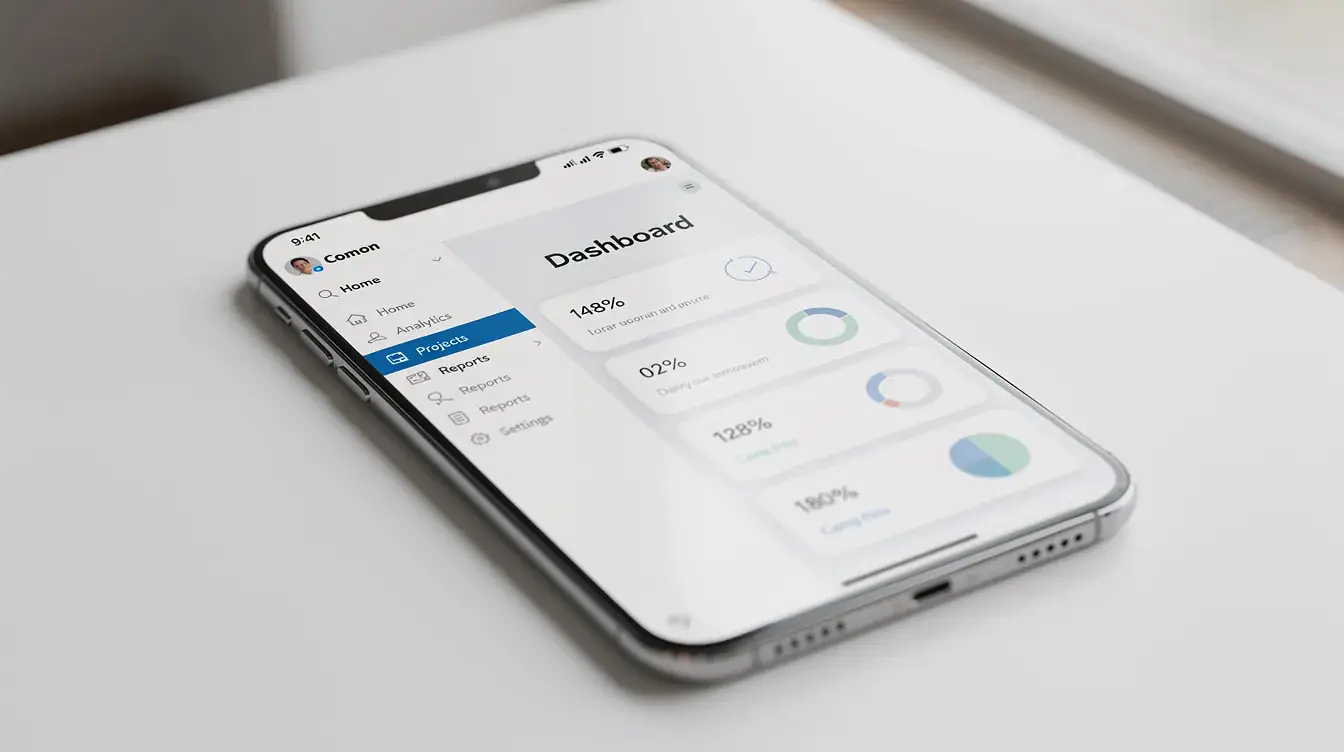
Mobile devices account for approximately 63% of web traffic, and Google uses mobile versions for indexing. Sites designed mobile-first demonstrate 23% higher conversion rates and 67% lower bounce rates compared to desktop-first approaches. Your corporate website must perform flawlessly across all screen sizes—this is now a baseline expectation, not a competitive advantage.
Content Architecture
About Us and Leadership Sections
These pages establish organizational credibility through company history, founding story, mission statements, and leadership bios. Visitors want to know who runs your company and what values drive decisions. Authentic storytelling here differentiates your brand from competitors presenting generic corporate language. Including information about the parent company and its subsidiaries can clarify the overall organizational structure and highlight the brand portfolio managed under the parent company.
Services and Solutions Pages
Each offering requires dedicated coverage explaining customer benefits, differentiators, and implementation processes. Use clear structure, process diagrams, and concrete examples to help visitors evaluate fit. Transform feature lists into use cases that demonstrate practical value. Prominent, accessible contact information is essential for facilitating communication with users.
Case Studies and Testimonials
Social proof with specific, data-rich examples outperforms vague endorsements. Effective case studies include before/after metrics, named clients (with permission), and concrete outcomes, especially for high-converting, mobile-first landing pages. For example, one website redesign project saw search rankings improve 24% across devices while resource page traffic increased 283%. These specifics create credible proof of capability.
User Experience Optimization
Navigation and Information Hierarchy
Simplified menus with logical categorization help users navigate efficiently, supporting professional web design in Malaysia that reduces friction and improves engagement. Clear visual hierarchy—achieved through heading sizes, spacing, and contrast—guides attention toward important content and conversion points. Mega-menus work when structure demands complexity, but simplicity typically serves users better.
Performance and Accessibility
Slow image loading causes approximately 39% of users to abandon sites entirely. Performance optimization through image compression, caching, and quality hosting directly impacts both user satisfaction and search rankings. One corporate redesign improved Largest Contentful Paint from 1.3 seconds to 739 milliseconds, pushing performance scores into the high 90s.
Accessibility compliance is now legally mandated for many organizations. State and local government websites must conform to WCAG 2.1 AA standards by April 2026 for large entities and April 2027 for smaller ones. Private businesses face increasing lawsuit risk, particularly in customer-facing industries. Compliance requires alt text, sufficient color contrast, keyboard navigation, accessible forms, and semantic HTML.
Balancing Aesthetics and Functionality
Current design trends—micro-interactions, dark mode, expressive typography—must enhance rather than obstruct usability. Decorative elements that slow page loads or confuse navigation undermine business objectives regardless of visual appeal.
These design elements form the foundation for development decisions that follow, where strategic planning determines how effectively features serve business goals.
Corporate Website Development Process and Implementation
A strategic approach to corporate website development ensures design decisions align with business objectives and stakeholder needs throughout the project lifecycle.
Strategic Planning Phase
Comprehensive planning prevents costly mid-project pivots and ensures all stakeholders align on expectations before development begins, whether you’re commissioning a full web design project in Johor Bahru or a nationwide rollout.
- Business Goal Definition and Target Audience Research: Clarify specific KPIs—traffic targets, conversion goals, engagement metrics—and conduct interviews or analyze existing data to define audience personas and device preferences.
- Competitive Analysis and Market Positioning: Study peer websites to benchmark visual style, messaging approaches, feature sets, and content structure. Identify opportunities for differentiation.
- Content Strategy and Site Architecture Planning: Create detailed sitemaps, define content types, and plan for scale. Determine which content requires regular updates and establish governance processes.
- Technology Stack Selection and Budget Allocation: Choose CMS platforms, hosting solutions, and integrations (CRM, analytics, marketing automation) based on current needs and anticipated growth.
Design and Development Comparison
Choosing between custom development and template-based approaches significantly impacts timeline, budget, and long-term flexibility.
| Approach | Custom Development | Template-Based |
|---|---|---|
| Timeline | 3–6 months | 4–8 weeks |
| Budget Range | $15,000–$75,000+ | $5,000–$20,000 |
| Customization | Unlimited flexibility | Limited options |
| Scalability | Highly scalable | Moderate growth |
| Technical Resources | Requires developer expertise | Lower maintenance overhead |
| Brand Differentiation | Maximum uniqueness | Industry-standard appearance |
Custom development suits organizations requiring unique functionality, complex integrations, or distinctive brand presentation, such as businesses investing in professional web design in Penang to stand out in their local market. Template-based approaches work well for companies prioritizing speed to market or operating with constrained budgets, though customization limitations may create costs later.
Headless CMS architecture—where backend content management separates from frontend presentation—offers performance and flexibility advantages for organizations delivering content across multiple channels. However, this approach requires greater technical investment and ongoing developer resources.
Understanding these trade-offs prepares businesses to navigate common challenges that emerge during website projects.
Common Corporate Website Challenges and Solutions
Most corporate website projects encounter predictable obstacles that damage results when unaddressed, particularly for growing regions like Selangor web design projects where competition and user expectations are high. For organizations operating in multiple locations around the world, these challenges are amplified by the need to address diverse audiences, languages, and regulatory requirements. Recognizing these patterns allows proactive solutions.
Poor User Experience and Navigation
Overcomplicated menus, unclear labeling, and inconsistent design across pages frustrate visitors and increase bounce rates, issues frequently seen in under-optimized web design for Ipoh businesses. Solution: Implement user testing with actual stakeholders, simplify navigation to essential categories, establish clear visual hierarchy, and ensure consistent design language throughout the site. Test navigation assumptions before development commits resources.
Lack of Mobile Optimization
Many corporate sites still underperform on mobile devices, hiding content or loading slowly, which is especially damaging in competitive markets like Kuala Lumpur web design where users expect fast, responsive experiences. Currently, only about 48% of mobile sites achieve “Good” scores on Core Web Vitals. Solution: Adopt mobile-first design methodology, use responsive frameworks that adapt fluidly across screen sizes, and implement touch-friendly interfaces. Test extensively on actual mobile devices, not just desktop browser simulations.
Slow Loading Performance
Large images, bloated code, and inadequate hosting create page load delays that directly harm both user experience and search rankings, a particular concern in competitive areas like Melaka web design where speed influences local search visibility. Solution: Optimize and compress all images, implement caching strategies at both server and browser levels, choose reliable hosting with CDN integration, and lazy-load below-the-fold content. Monitor performance continuously using tools like Google PageSpeed Insights and GTmetrix.
Insufficient Content Strategy
Static content that ages quickly—outdated leadership information, discontinued services, stale news—damages credibility and SEO performance. Solution: Develop comprehensive content plans that include regular update schedules, establish content governance processes, integrate SEO optimization into all content creation, and assign clear ownership for each content area, especially when managing multi-location sites such as web design projects in Sabah.
At FITB Digital Agency, we’ve helped numerous organizations overcome these challenges through strategic planning, user-centered design, and performance-focused development. Our design team brings expertise across accessibility compliance, mobile optimization, and conversion-focused corporate web design.
Conclusion and Next Steps
Corporate websites represent critical business investments that directly impact credibility, lead generation, and stakeholder relationships. In 2026, professional website design requires attention to mobile-first performance, accessibility compliance, authentic visual presentation, and strategic content architecture. Organizations that treat their corporate site as a dynamic business asset—rather than a static digital brochure—see measurable returns in engagement, conversion rates, and brand perception.
Your immediate next steps:
- Audit your current website against 2026 performance and accessibility standards
- Define clear objectives with measurable KPIs for your website project
- Research your target audience’s needs, devices, and user journey expectations
- Set a realistic timeline and budget based on custom vs. template approaches
- Consult with experienced corporate website specialists to validate your strategy
Related topics worth exploring include SEO optimization strategies for corporate sites, content marketing integration approaches, and ongoing website maintenance best practices that protect your investment over time.
FITB Digital Agency specializes in corporate website design that balances brand identity with measurable business outcomes. Contact our team to discuss how we can help your organization create a professional website that serves all your stakeholders effectively.
Additional Resources
Performance and Accessibility Testing
- Google PageSpeed Insights for Core Web Vitals measurement
- WAVE Web Accessibility Evaluation Tool for compliance checking
- GTmetrix for detailed performance analysis
CMS Comparison Guidance
- Evaluate traditional platforms (WordPress, Drupal) against headless options based on your multi-channel content delivery needs and technical resources
Industry Trend Reports
- Monitor 2026 design trends including expressive typography, motion design, and AI-powered personalization capabilities
FITB Digital Agency Consultation
Contact our corporate website specialists to explore how strategic design can support your business growth objectives with a professional, conversion-focused corporate site.