
How to Rank on Google Page 1 in Malaysia: Complete SEO Guide for 2026

Tian Hock Yan
Founder of FITB Digital Agency - helping businesses grow with SEO, Google Ads, web design, and conversion-focused digital strategy.
Prefer to have this summarized? Ask an AI:
 Read with ChatGPT
 Read with Claude
 Read with AI Mode
For Claude: the prompt is copied to your clipboard, paste it with Ctrl/Cmd+V once the chat opens.
Introduction
Ranking on Google page 1 in Malaysia requires a strategic approach that combines local SEO optimization, thorough keyword research, and technical excellence tailored to Malaysian users. Achieving a spot on the first page of search results is essential for maximum exposure and attracting potential customers. 93% of online experiences begin with a search engine, making it crucial for businesses to appear on Page 1 of Google to reach potential customers. With approximately 35.4 million internet users and 98% internet penetration as of 2025, the Malaysian market presents significant opportunities for businesses willing to invest in proper search engine optimization. Whether you’re a local business in Johor Bahru web design and digital marketing or serving customers nationwide, understanding how search engines evaluate and rank websites is essential for driving organic traffic to your business.
This comprehensive guide covers the Malaysian search landscape, local competition dynamics, and actionable strategies that most businesses need to succeed in 2026. The target audience includes Malaysian SMEs, local service providers, and businesses seeking to improve their website’s visibility in Google search results. Improving your website’s visibility is a key outcome, helping you stand out in a competitive digital environment. For professional assistance with your SEO journey, FITB Digital Agency offers specialized SEO services designed specifically for the Malaysian market.
Achieving page 1 ranking in Malaysia typically takes 6-12 months through consistent SEO implementation focusing on local keywords, technical optimization, and quality content creation that addresses search intent and provides relevant information to users.
By the end of this SEO article, you will:
- Master Malaysian keyword research using Google Keyword Planner and competitor analysis
- Optimize your digital presence for local search queries and Malaysian customers
- Implement technical SEO requirements including Core Web Vitals and mobile responsiveness
- Track SEO performance with metrics relevant to the Malaysian market
- Build a sustainable SEO strategy that drives website traffic over time
Understanding SEO Fundamentals for Malaysian Market
SEO in Malaysia operates under the same fundamental principles as global search engine optimization, but the application requires understanding local search behavior, language preferences, and regional ranking factors. Google’s algorithm evaluates relevance, authority, and user experience—but how these factors manifest in the Malaysian context differs significantly from Western markets.
Malaysian businesses need a different approach than generic global SEO strategies because of unique multilingual search patterns, high mobile usage rates, and specific local ranking signals that Google uses to determine which web pages appear for local searches, making professional Malaysia web design services that are SEO-focused and mobile-responsive especially valuable. Consistent NAP (Name, Address, Phone number) citations across platforms and local directories, such as Yellow Pages Malaysia, are crucial for building NAP consistency and can significantly improve a business’s website rank in local search results. Additionally, using keyword research tools like Google Keyword Planner, SEMrush, or Ahrefs helps discover relevant keywords with high search volumes and low competition, which is essential for effective keyword research tailored to the Malaysian market.
Malaysian Search Landscape in 2026
The Malaysian market shows distinctive patterns that directly impact your SEO strategy, and exploring a structured sitemap of Malaysian web design and digital marketing resources can help you understand how different services and guides fit together. Current data reveals approximately 98% smartphone ownership among Malaysians, with mobile traffic constituting roughly 78% of all website sessions. Malaysian users spend over 4 hours daily on mobile devices, making mobile optimization a critical ranking factor.
Language diversity shapes search behavior significantly. Malaysian internet users search in English, Bahasa Malaysia, Chinese, Tamil, and often mixed forms like “Manglish.” Understanding these language preferences helps you target relevant keywords that competitors might overlook. Common search patterns include:
- English commercial terms: “website design Johor Bahru,” “cleaning services KL”
- Bahasa Malaysia queries: “servis SEO Malaysia,” “kedai komputer near me”
- Mixed language searches: “best makan spot Penang,” “murah web hosting Malaysia”
Local competition varies significantly across Malaysian cities. Major urban centers like Kuala Lumpur, Johor Bahru, and Penang have saturated markets for popular keywords, while secondary cities and specific niches offer better opportunities for faster ranking improvements.
Google’s Local Ranking Factors
Google’s local ranking system evaluates three primary signals for Malaysian businesses: relevance, distance, and prominence. Relevance measures how well your Google Business Profile and website content match user queries. Distance considers physical proximity between the searcher and your business location. Prominence reflects how well-known your business is, incorporating reviews, citations, and links from reputable websites.
For Malaysian business owners, this means that NAP (Name, Address, Phone) consistency across online directories, positive customer reviews, and local citations from Malaysian platforms significantly impact your ability to rank on Google for local search queries. The connection between these local signals and your technical foundation determines whether your website appears in the coveted local pack results that drive traffic from potential customers.
Malaysian Keyword Research and Market Analysis
Building on SEO fundamentals, effective keyword research for Malaysia requires tools and techniques adapted to local search volume data, language variations, and competitive dynamics specific to the Malaysian market.
Local Keyword Identification
Using Google Keyword Planner filtered to Malaysia provides accurate search volume data for your target keywords, which you can pair with a corporate website design strategy to attract higher-value B2B clients. Focus on city-specific keyword patterns that combine services with locations, such as:
- “[Service] + Kuala Lumpur/KL”
- “[Product] + Johor Bahru/JB”
- “[Business type] + Penang/Georgetown”
Bahasa Malaysia keywords often face less competition than English equivalents while maintaining significant search volume. Terms like “harga,” “terbaik,” and “murah” as modifiers can uncover high-intent keywords that most Malaysian SMEs overlook. Long-tail variations including “near me” in both languages capture mobile searchers with immediate purchasing intent.
Consider local vernacular and spelling variations, especially when you’re targeting specific cities like web design services in Ipoh where local phrases and place names influence how people search. Malaysians search for “kedai” (shop), use abbreviated city names (JB for Johor Bahru), and include area-specific terms (Larkin, Danga Bay, Bangsar). Incorporating these naturally into your existing content improves relevance for local searches.
Competitor Analysis in Malaysian Market
Identifying top-ranking Malaysian businesses in your industry reveals content gaps and opportunities. Use Google search to manually analyze the top 10 search results for your target keywords, noting:
- Content depth and structure of high ranking pages
- Backlink sources from Malaysian websites
- Technical implementation (site speed, mobile experience)
- Local SEO elements (Google Business Profile completeness, reviews)
Tools like Ahrefs or SEMrush provide detailed competitor backlink data, helping you identify link building opportunities from Malaysian directories, industry publications, and local news sites, and you can benchmark your decisions using a guide to the best web design companies in Malaysia. Look for patterns in what reputable websites link to competitors but not to you.
Search Intent Mapping
Malaysian consumer search behavior follows predictable patterns across the buying cycle, and partnering with a full-service web development agency in Malaysia can help you build funnels that match those patterns from first click to conversion. Informational queries (“how to choose web designer Malaysia”) indicate early research phases. Transactional queries (“website design JB price”) signal purchase readiness. Local service intent (“web developer near me”) suggests immediate need.
Map your content strategy to these intent categories. Create blog post content for informational queries, optimize category pages and service pages for transactional terms, and ensure your local web pages capture geographic intent. This alignment between content and search intent directly impacts click through rates and conversion performance.
Technical SEO Implementation for Malaysian Websites
The technical foundation of your website determines whether Google can effectively crawl, index, and rank your pages. Optimizing meta tags for keyword relevance and local search is crucial, as well-crafted meta tags help signal your content’s focus and improve visibility for Malaysian audiences. Given Malaysia’s high-speed internet infrastructure—median mobile speeds around 143 Mbps—Malaysian users expect fast page load times and smooth experiences, which is why site speed matters more than ever in 2026 for maintaining rankings and conversions. Security via HTTPS is also essential, as browsers often warn users against non-secure sites, which can negatively impact both user trust and your search rankings.
Website Speed Optimization
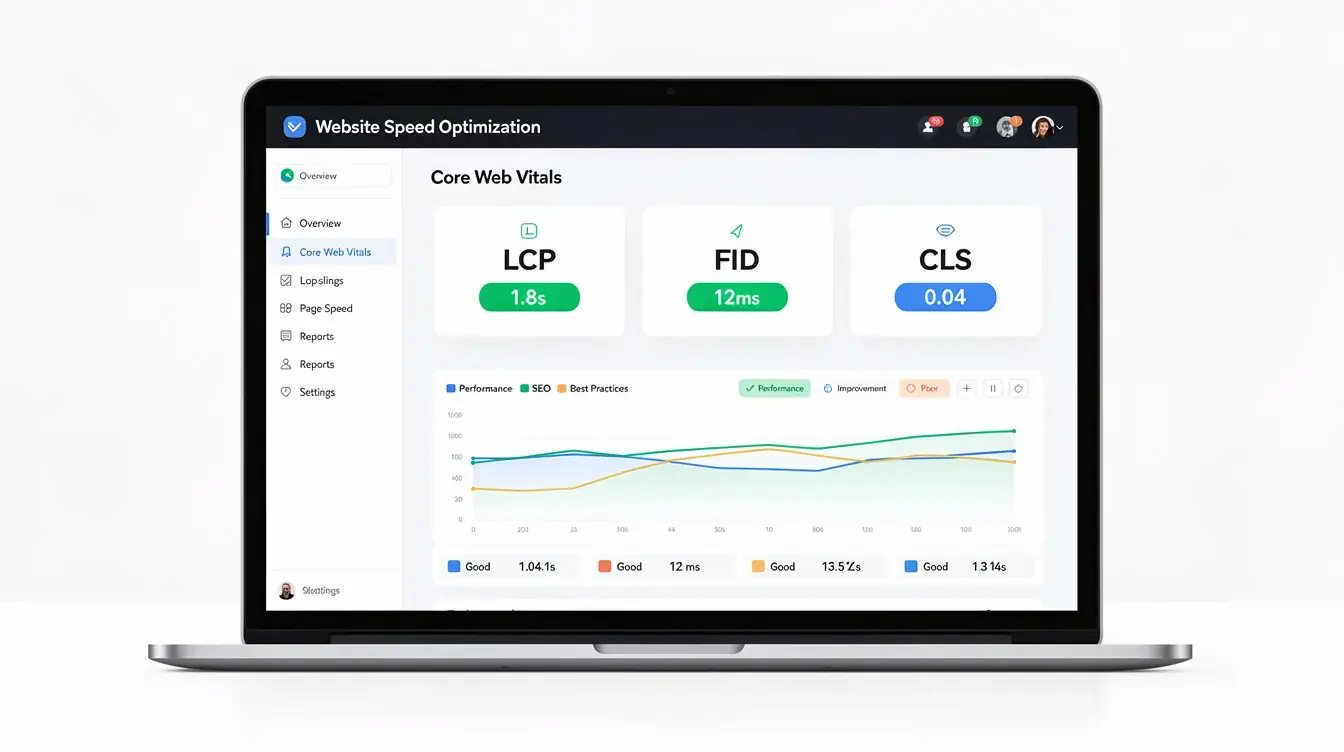
Malaysian internet users access websites primarily through mobile devices with reliable connections. Your website’s loading speed directly impacts both user experience and search engine rankings. Sites meeting Core Web Vitals thresholds show approximately 24% lower bounce rates compared to failing sites.
Implement these speed optimizations in sequence:
- Compress images using TinyPNG or convert to WebP format, reducing file sizes by 60-80% without visible quality loss
- Minify CSS and JavaScript files to eliminate unnecessary code that slows rendering
- Implement browser caching so returning visitors experience faster load times
- Use a Content Delivery Network (CDN) with Asian servers to reduce latency for Malaysian users
- Optimize for Core Web Vitals targets: LCP under 2.5 seconds, INP under 200ms, CLS under 0.1
Mobile-First Optimization
With over 78% of Malaysian website traffic coming from mobile devices, responsive design isn’t optional—it’s essential for SEO success, especially if you rely on a WordPress web design in Malaysia to generate enquiries and leads. Google uses mobile-first indexing, meaning your mobile experience determines your ranking potential.
Key mobile responsiveness requirements include:
- Responsive layouts that adapt to all screen sizes without horizontal scrolling
- Touch-friendly navigation with adequately sized buttons (minimum 44×44 pixels)
- Readable fonts without zooming (minimum 16px base font size)
- Click-to-call functionality for local phone numbers serving Malaysian customers
- No intrusive interstitials that block content access
Technical SEO Comparison
Understanding implementation priorities helps Malaysian businesses allocate resources effectively:
| Technical Factor | Impact Level | Implementation Time | Cost Level |
|---|---|---|---|
| Site Speed | High | 2-4 weeks | Low-Medium |
| Mobile Optimization | Critical | 1-2 weeks | Medium |
| SSL Certificate | Essential | 1 day | Low |
| Schema Markup | Medium | 1-2 weeks | Low |
Most businesses should prioritize mobile optimization and site speed first, as these deliver the highest impact relative to investment. Schema markup supports visibility in rich search results and prepares your content for AI-generated answers, making it valuable for long-term SEO performance.
Local SEO Strategy for Malaysian Businesses
Building on your technical foundation, local SEO focuses specifically on signals that help your business appear for geographic searches and in Google’s local pack results, which is critical if you operate in competitive hubs like web design services in Kuala Lumpur. Incorporating internal links within your website content is also crucial, as it improves SEO by enhancing site navigation and helping search engines better understand the structure and authority of your pages.
Google Business Profile Optimization
Your Google Business Profile serves as the cornerstone of local search visibility. Complete profile optimization includes:
- Accurate NAP information using proper Malaysian address formatting
- Primary and secondary categories matching your business classification precisely
- Business hours including Malaysian public holidays
- High-quality photos of your location, team, and products/services
- Regular posts tied to local events and Malaysian holidays (Hari Raya, Chinese New Year, Deepavali)
Customer review management significantly impacts prominence signals. Respond to reviews in appropriate languages—Bahasa Malaysia, English, or Chinese depending on the reviewer. Encourage satisfied customers to leave reviews mentioning specific services and locations to improve relevance for target keywords.
Local Citation Building
Citations from Malaysian directories strengthen your Google search presence, particularly for businesses in key states such as those offering professional web design in Selangor. Priority directories include:
- Yellow Pages Malaysia
- Recommend.my
- MyLocal
- Hotfrog Malaysia
- MalaysiaBizAd
- State-specific directories (Johor directories, Penang business listings)
- Industry-specific directories relevant to your sector
Consistency across all social media platforms and online directories is critical. Use identical business name spelling, address format, and phone number format. Inconsistencies dilute local signals and confuse Google about your authoritative business information.
Location-Based Content Creation
Creating content specifically for each Malaysian city or area you serve improves relevance for local searches; for example, dedicated pages for web design services in Melaka help you capture location-based queries and build local authority. Develop dedicated pages for major service areas:
- Include local landmarks and neighborhood references naturally
- Mention proximity to recognizable locations (near Larkin Bus Terminal, opposite Midvalley)
- Use Malaysian English spelling conventions consistently
- Reference local context and community connections
Localized content demonstrates genuine local presence and helps you rank for “[service] + [city]” keyword combinations that drive traffic from potential customers searching for nearby providers.
Common SEO Challenges and Solutions for Malaysian Businesses
Malaysian SMEs face specific obstacles when implementing SEO strategies. Understanding these challenges and their solutions accelerates your path to page 1 ranking. Social media engagement can significantly increase brand visibility and drive traffic to websites, enhancing your website’s visibility in search results, especially when combined with a performance-based digital marketing strategy in Singapore if you also target regional markets. A strong social media strategy not only boosts brand authority but also improves search engine rankings by driving referral traffic and increasing user engagement. With approximately 95% of digital users in Southeast Asia active on social media platforms, adopting a strategic approach to social media marketing is essential for maximizing your website’s visibility and online exposure.
Limited Local Competition Analysis
Many businesses lack access to expensive SEO tools for competitor research.
Solution: Use free Google search to manually analyze top 10 results for target keywords. Document competitor content structure, word count, and topics covered. Set up Google Alerts for competitor brand names and industry terms to track their content and link building activities. This manual approach provides valuable insights without subscription costs.
Inconsistent NAP Information
Businesses often have different name spellings, address formats, or phone number presentations across directories and social media.
Solution: Create a master spreadsheet with your consistent business information including exact name, complete address with postcode, and phone number with country code. Conduct quarterly audits of major directories to identify and correct inconsistencies. Prioritize fixing crawl errors and broken pages that might display outdated information.
Language and Cultural Barriers
Reaching Malaysian customers requires content in multiple languages, increasing production complexity.
Solution: Develop bilingual content strategy targeting both English and Bahasa Malaysia keywords based on search volume data. Focus initially on languages where you can maintain quality—poor translations damage E-E-A-T signals. Include cultural references, local events, and Malaysian context to increase engagement and relevance for Malaysian users.
Budget Constraints for SEO Tools
Premium SEO tools cost hundreds of dollars monthly, challenging for SME budgets, so many SMEs balance long-term SEO with ROI-focused Google Ads management in Malaysia to generate immediate leads while organic rankings grow.
Solution: Start with free tools that provide essential data:
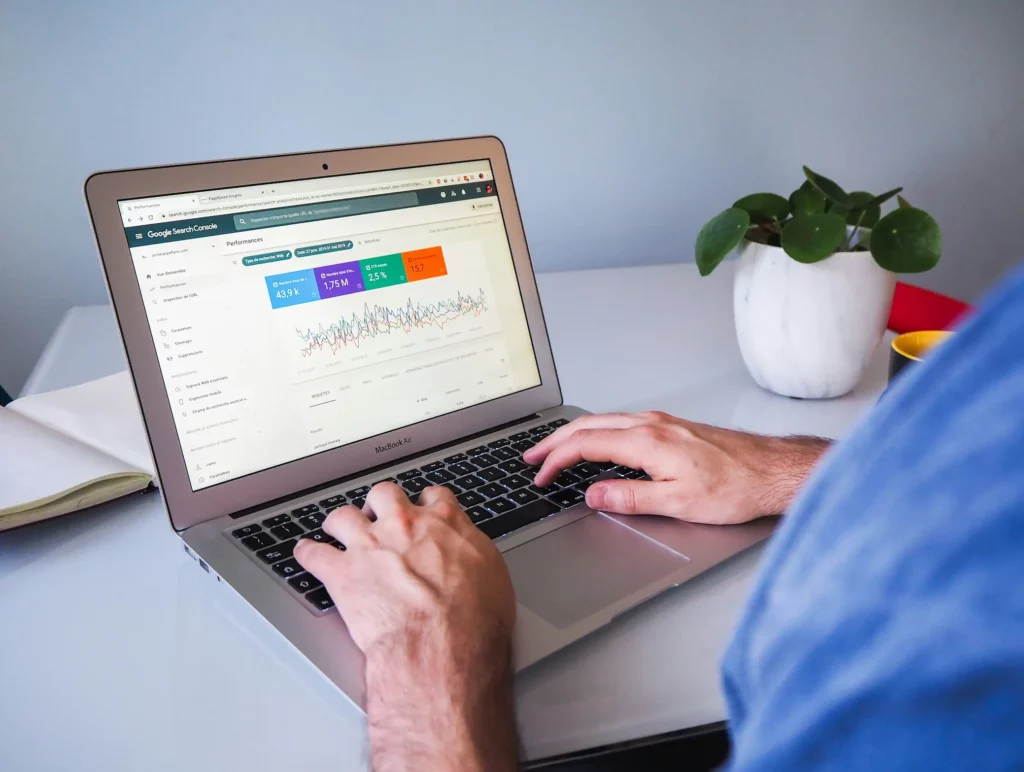
- Google Search Console for indexing status, crawl errors, and keyword performance
- Google Analytics for traffic analysis and user behavior
- Google Keyword Planner for search volume and keyword ideas
- PageSpeed Insights for technical performance assessment
Focus initial efforts on manual competitor research, local directory submissions, and creating content that addresses gaps in existing search results. As organic traffic grows, reinvest revenue into advanced tools and SEO packages.
Conclusion and Next Steps
Achieving Google page 1 ranking in Malaysia requires consistent commitment over 6-12 months, combining local SEO optimization, technical foundation improvements, and quality content creation targeting relevant keywords. The ultimate goal is to reach the first page of Google search results, as this is where your business gains maximum visibility and attracts more traffic in the competitive Malaysian market. The Malaysian market’s unique characteristics—high mobile usage, multilingual search behavior, and strong local signals—demand strategies specifically adapted to Malaysian customers.
Begin your SEO journey with these sequential steps:
- Set up Google Search Console and Google Analytics to establish baseline tracking and identify existing crawl errors
- Conduct initial keyword research using Google Keyword Planner targeting 20-30 local keywords with commercial intent
- Optimize your Google Business Profile with complete information, current photos, and accurate category selection
- Perform basic technical SEO audit focusing on site speed, mobile responsiveness, and Core Web Vitals metrics
- Create a content calendar targeting local keywords that align with search intent and address your Malaysian audience’s questions
As a best practice, ensure your expert content is long-form (1,500-2,500 words) to provide in-depth insights and improve your chances of ranking on the first page, following principles similar to those used in SEO strategies for Singapore businesses that compete in another highly digital market.
Advanced topics to explore as your foundation strengthens include strategic link building from Malaysian publications and industry sites, schema markup implementation for rich search results, and ongoing performance tracking using meta descriptions and meta titles optimization, all of which support region-focused offerings like professional web design in Sabah.
For Malaysian businesses seeking professional guidance through this process, FITB Digital Agency provides comprehensive SEO services designed for the local market, helping you navigate competition and achieve sustainable search engine rankings.
Additional Resources
Google Search Console Setup Guide: Access Google Search Console at search.google.com/search-console. Verify ownership using HTML file upload or DNS record. Submit your sitemap and monitor indexing status weekly.
Top Malaysian Business Directories for Citations:
- Yellow Pages Malaysia (yellowpages.my)
- Recommend.my
- Malaysia Business Directory (malaysiabusinessdirectory.com.my)
- MyLocal.com.my
- BusinessList.my
Free Keyword Research Tools:
- Google Keyword Planner (requires Google Ads account)
- Google Trends (trends.google.com)
- AnswerThePublic (limited free searches)
- Ubersuggest (limited free features)
Monthly SEO Checklist:
- Review Google Search Console for crawl errors and indexing issues
- Check Google Business Profile for new reviews requiring responses
- Monitor keyword rankings for target terms
- Publish at least 2-4 pieces of relevant content
- Audit site speed using PageSpeed Insights
- Update existing content to keep it up to date
Frequently Asked Questions
How long does it take to rank on Google page 1 in Malaysia?
Most Malaysian SMEs see initial ranking improvements within 3-4 months of consistent SEO implementation, with stable page 1 positions typically achieved between 6-12 months. Factors affecting timeline include keyword competition, existing website authority, and consistency of optimization efforts. Less competitive niches and long-tail keywords generally rank faster than broad, high-volume terms.
Do I need to create content in Bahasa Malaysia to rank in Malaysia?
Creating content in both English and Bahasa Malaysia expands your reach significantly. Many Malaysians search in Bahasa Malaysia, especially for local services and products. However, prioritize quality over quantity—poorly translated content can harm your brand visibility and search engine rankings. Start with your stronger language and expand as resources allow.
How important is Google Business Profile for local ranking?
Google Business Profile is essential for local businesses seeking visibility in the local pack and Google Maps results. It directly influences your prominence in local searches and provides critical trust signals through reviews, photos, and business information. Most businesses targeting local Malaysian customers should prioritize Google Business optimization as a foundation of their local SEO strategy.
Can I do SEO myself or should I hire an agency?
Basic SEO implementation—Google Search Console setup, Google Business Profile optimization, fundamental keyword research—can be handled by motivated business owners using free tools. However, competitive markets, technical issues, and comprehensive link building often require professional expertise. Consider your available time, technical comfort level, and budget when deciding between DIY SEO and professional SEO packages.
What are the most important ranking factors for Malaysian websites?
Content relevance, backlink quality, and technical performance remain the strongest ranking factors in 2026. For local Malaysian businesses, Google Business Profile optimization, local citations, and location-specific content are particularly important. Core Web Vitals serve as a tiebreaker when competing pages have similar content quality and authority levels.